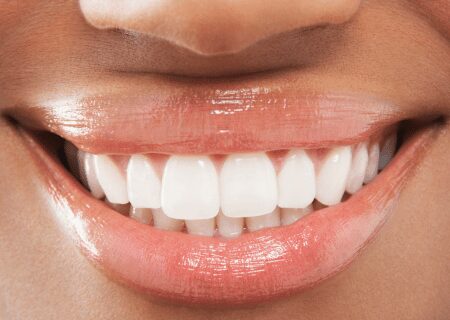

Can I whiten my teeth with lemons or lemon essential oil without damaging them? I know natural lemon is acidic, but will the essential oil work? I read online that lemon oil will whiten teeth without damaging them. If I can find natural alternatives to teeth bleaching, that would be great. So, if not lemons, I’m interested in anything else I can do at home. Thanks. Kamilya
Kamilya,
Whitening your teeth can refresh your smile. If your teeth are in good condition, brighter teeth can look like you’ve had a smile makeover.
Does Citric Acid from Lemons Whiten Teeth?
Citric acid from lemons etches tooth enamel, temporarily giving it a frosty surfer and making it look whiter. However, roughened tooth enamel will eventually attract more stains, making your teeth look worse.
Some Internet articles claim that the citric acid in lemons kills bacteria and whitens teeth. However, pigments in food and drink, not bacteria, cause stains on teeth. Regular toothbrushing removes bacteria-causing plaque. You don’t need lemons to do that.
Do Lemons Damage Tooth Enamel?
Repeatedly using lemons or regularly eating them will thin tooth enamel. The least abrasive over-the-counter whitening system is Crest 3DWhitestrips. However, the 3DWhitestrips are less effective than professional bleaching gel from a dentist. Ask your dentist about a take-home whitening kit if you want an alternative to in-office whitening.
Carbamide peroxide in bleaching gel penetrates tooth enamel to break down stains and whiten teeth. The gel will not erode tooth enamel unless you overuse it. A dentist can monitor your whitening progress to minimize sensitivity and prevent over-bleaching.
We recommend an exam from a dentist to determine whether teeth whitening is safe for your teeth based on the cause of the stains in them. Otherwise, the dentist will recommend cosmetic dentistry alternatives to address your concerns about tooth stains, spots, or discoloration.
Metairie, Louisiana, dentist Dr. Duane Delaune sponsors this post.


Last month, my dentist filled two cavities. While removing the decay from the third tooth, he mistakenly exposed the pulp. He stopped trying to remove the decay and used a pulp cap to avoid root canal treatment. Before that visit, I had not heard of a pulp cap, but I had to decide rather quickly because the pulp was exposed. My dentist explained the procedure to me and e-mailed some material to me. I want another dentist’s opinion on this, though. How do I know that the pulp cap will work? Are there any symptoms I should watch that might signal cap failure and that I will need a root canal anyway? Also, how long does this take? I was supposed to begin teeth whitening in two weeks and have it completed before my wedding. Thank you. Cecelia from Springfield, MA
Teeth whitening is too much when it creates lingering sensitivity and wears away the enamel. Over-bleached teeth can become brittle, thin, and discolored. According to the American Dental Association,
You can minimize the need for future root canal treatments through at-home care and finding a dentist knowledgeable about the latest techniques for preserving teeth.